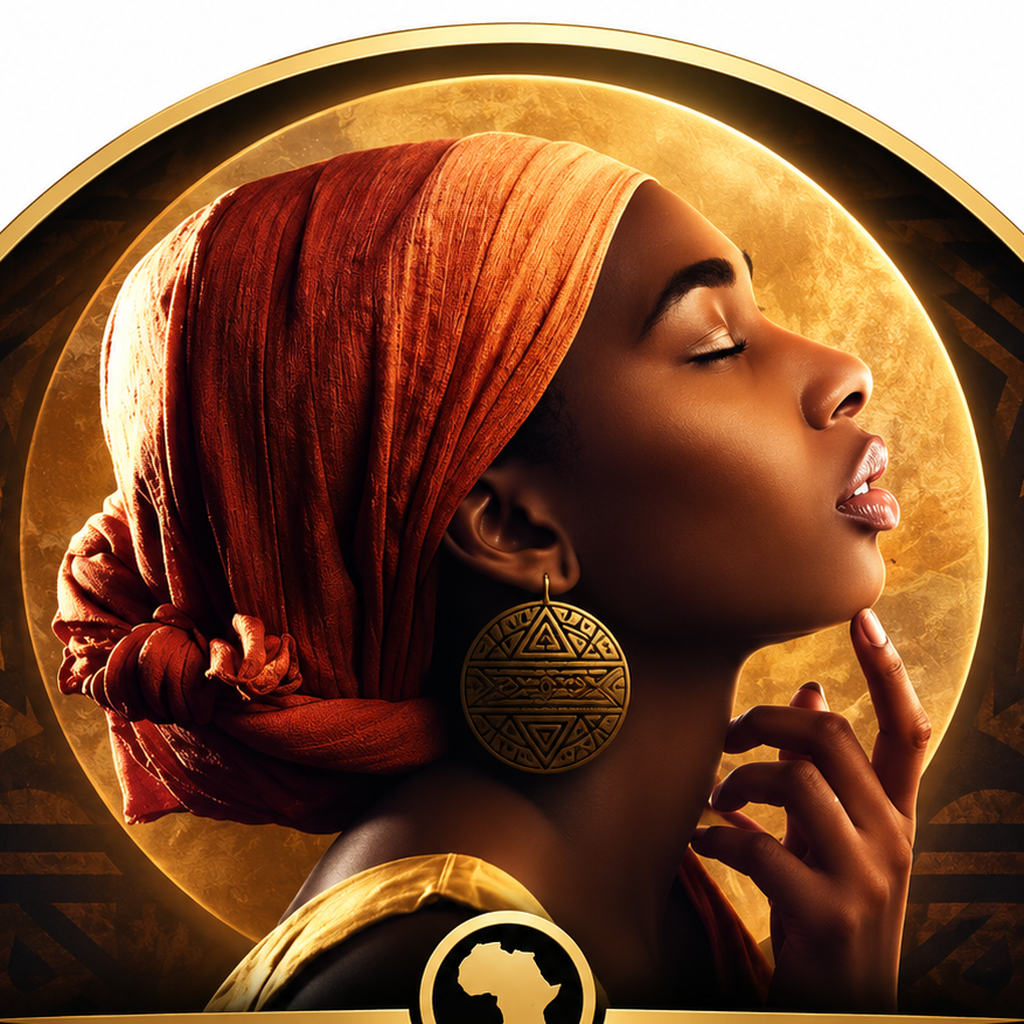
01 • Ancestry
Ancestors, memory and continuity
In many African cultural settings, ancestry is connected with far more than genealogy. It can carry ideas about belonging, family responsibility, moral memory and continuity between generations. Remembering those who came before can be a way of understanding one's place within a larger family story.
Practices differ greatly. Some communities emphasise remembrance and family ceremonies; others include forms of prayer, consultation, naming, offerings or divination. African Spirituals and Herbals treats those traditions as culturally specific rather than interchangeable.
02 • Divination
Divination as interpretation
African divination traditions are diverse systems for examining uncertainty, questions and circumstances. Their methods, symbols, specialists and religious meanings vary by community. A useful way to understand divination is not as one single technique, but as culturally rooted traditions of interpretation.
Within a consultation, divination may provide a structured way to discuss a concern, look for patterns and consider how the person understands the situation they are facing.
03 • Practitioners
The practitioner as listener, adviser and keeper of knowledge
Traditional practitioners have often occupied several roles at once: spiritual adviser, keeper of oral and plant knowledge, ritual specialist, family counsellor, interpreter of cultural meaning and community figure. That broader role is why African Spirituals and Herbals begins with consultation rather than treating every service as a transaction.
04 • Indigenous knowledge
Plants, heritage and traditional knowledge
Knowledge about plants is often intertwined with food, household practice, ceremony, symbolism and intergenerational teaching. The same plant may carry different meanings or uses in different communities. Preserving that distinction matters because African traditional knowledge is not a single universal catalogue.
05 • Dreams & symbols
Dreams as personal and cultural language
Dreams may be interpreted through memory, family stories, spiritual belief, emotion and symbolism. Some people understand certain dreams through ancestral or religious frameworks; others see them mainly as reflections of personal experience. A thoughtful consultation starts with the dreamer rather than forcing one fixed interpretation.
06 • Diversity
There is no single African spirituality
Africa contains thousands of communities, languages and histories. Spiritual traditions in West Africa, East Africa, Central Africa and Southern Africa can differ profoundly, and traditions can also vary between neighbouring peoples. African Spirituals and Herbals therefore uses regional and cultural language carefully and avoids presenting one community's customs as universal African practice.
West AfricaMultiple traditions involving ancestry, divination, shrine practices, indigenous religions and family ritual.
East AfricaDistinct traditions involving elders, ancestors, spirit mediums, healing knowledge and community ceremony.
Central AfricaRich systems of ancestral belief, initiation, healing, symbolism and community spiritual practice.
Southern AfricaTraditions involving ancestral calling, divination, healing, family responsibility and ceremonial practice.
07 • Modern life
Tradition can be studied without freezing it in the past
African spirituality continues to exist in cities, diasporas, families and modern professional life. People may engage traditional beliefs alongside Christianity, Islam, medicine, counselling, education and contemporary technology. African Spirituals and Herbals is designed for that reality: a modern private platform that takes heritage seriously without pretending that culture never changes.